
Jellyfish on Mornington Peninsula Beaches: What’s Happening in Port Phillip Bay (and How to Stay Safe)
If you’ve been down to the foreshore lately and noticed reddish jellyfish in the shallows (or washed up on the sand), you’re not imagining things. There’s been a noticeable influx of lion’s mane jellyfish across Port Phillip Bay, with reports stretching all the way to the Mornington Peninsula.
This post is a practical, local guide—what they are, why they turn up, where you’re most likely to see them, and the simple steps that keep beach days stress-free.
What’s happening right now?
In late January, large numbers of lion’s mane jellyfish were reported across Port Phillip Bay, including Peninsula beaches such as Blairgowrie. Lifesaving groups and councils have been reminding beachgoers: if you can see jellyfish in the shallows, it’s a good time to stay out of the water (and keep kids and dogs clear of any stranded jellyfish on the sand).
The good news: these events are usually temporary. Jellyfish are poor swimmers and often drift with wind, tide and currents. When conditions shift, they tend to move on.
What is a lion’s mane jellyfish?
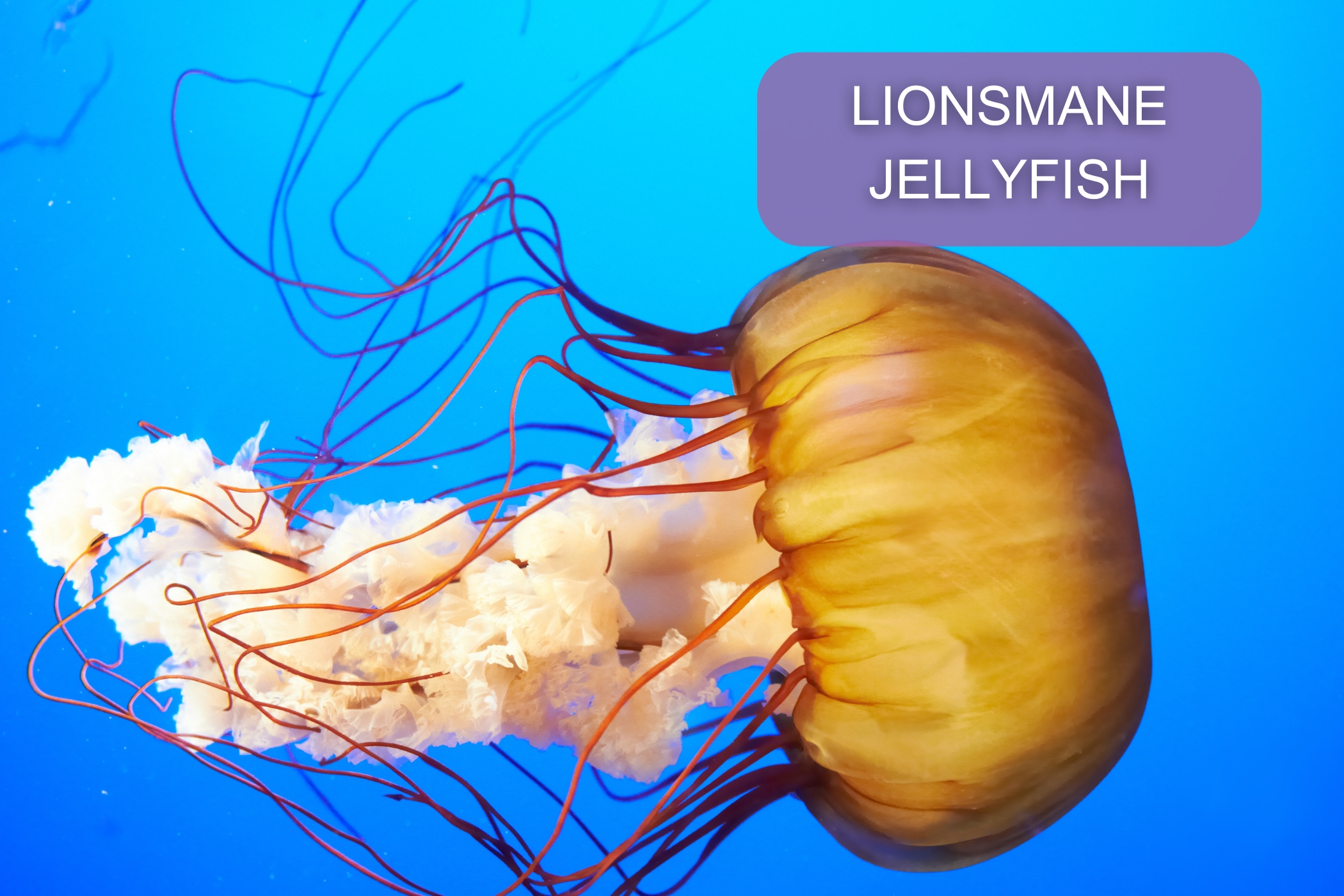
Lion’s mane jellyfish are native to southern Australian waters and can be recognised by a reddish/brown bell and long, fine tentacles trailing underneath. Locally, the Victorian type is generally smaller than the giant versions people read about overseas—but the sting can still be painful, and reactions can be more serious for children, older people, or anyone with allergies.
Where you might see them on the Mornington Peninsula
Jellyfish reports tend to pop up along bay-facing beaches because wind and currents push them into the shallows.
On the Peninsula, that can include areas around:
-
Blairgowrie and nearby bayside beaches
-
Mornington foreshore areas
-
Mount Martha / Safety Beach stretches
-
Other calm, sheltered spots around the bay
Conditions can change quickly, so treat it like a “check before you swim” situation—similar to seaweed, rips, or bluebottle days.
Why do jellyfish wash up in big numbers?
You’ll often hear it described as a “perfect storm” of conditions. Common drivers include:
-
Warmer water temperatures
-
Plenty of food/nutrients in the water
-
Onshore winds and tides that push jellyfish toward the beach
-
Natural spawning cycles
In other words: it doesn’t necessarily mean something is “wrong” with the bay. It’s usually a mix of seasonal conditions lining up at once.
Simple beach safety tips (especially with kids and dogs)
Here’s the easy checklist that saves a lot of drama:
1) If you can see jellyfish in the shallows—don’t swim
Even if they look small, their tentacles can be hard to spot.
2) Stick to patrolled beaches
Swim between the flags when lifeguards are on duty. If you’re unsure, ask the lifesavers what they’re seeing that day.
3) Don’t touch jellyfish on the sand
They can still sting after they wash up.
4) Wear footwear on the sand
Especially helpful for kids (and anyone walking through washed-up sea life).
5) Keep dogs on-lead near wash-ups
Dogs are curious, and stings can be nasty around the mouth and nose.
What to do if you (or someone else) is stung
First—get out of the water and get help from a lifesaver/lifeguard if one is nearby.
General first aid advice in Australia varies depending on what stung you (and what state you’re in), but the common “safe basics” are:
-
Rinse with seawater (not fresh water)
-
Remove any tentacles carefully (avoid bare hands where possible)
-
Pain relief: hot water is often recommended for many marine stings; cold packs are sometimes used depending on species and guidance
If symptoms are severe, spreading, or you’re worried (especially with children, older people, allergies, breathing issues, or widespread stings), seek urgent medical help.
Important note: Don’t use folk remedies (like urine). They can make things worse.
Quick FAQ
Can we still enjoy the beach?
Yes. Most people can still have a great beach day—just be selective about where and when you swim, and keep an eye on the shoreline.
How long will it last?
It’s usually short-lived and heavily weather-dependent. A change in wind or currents can clear a beach quickly.
Are lion’s mane jellyfish “deadly”?
They’re not typically considered deadly to humans in Victoria, but they can cause painful stings and serious reactions in some people (and can be harmful for dogs). Treat them with respect.
What’s the easiest rule to remember?
If you can see them—don’t swim. Choose another beach, go later, or enjoy a walk and coffee instead.
Local tip: make it part of your “Peninsula beach check”
Living on (or visiting) the Mornington Peninsula is all about the lifestyle—foreshore walks, swims, grandkids on the sand, and spontaneous summer evenings. A quick look at the waterline before you jump in is just part of the routine.
For those who have thought about downsizing on the Mornington Peninsula check out our Youtube channel - filled with hints & tips to move you!
PLAYLISTS FOR BUYERS AND SELLERS
Watch our whole Youtube Renovate or Sell playlist here: https://morningtonpeninsulahomes.com/RenovateOrSell
Watch our whole Youtube Recognising when its time to Downsize playlist here: https://morningtonpeninsulahomes.com/RecognisingTimeToDownsize
Watch our whole Youtube Smat Moves for Downsizers playlist here: https://morningtonpeninsulahomes.com/47n2bHo
Watch our whole Youtube Living on the Mornington Peninsula playlist here: https://morningtonpeninsulahomes.com/3HMW3Of
Watch our whole Youtube On the Couch playlist here: https://morningtonpeninsulahomes.com/OnTheCouchPlaylist_YT
