
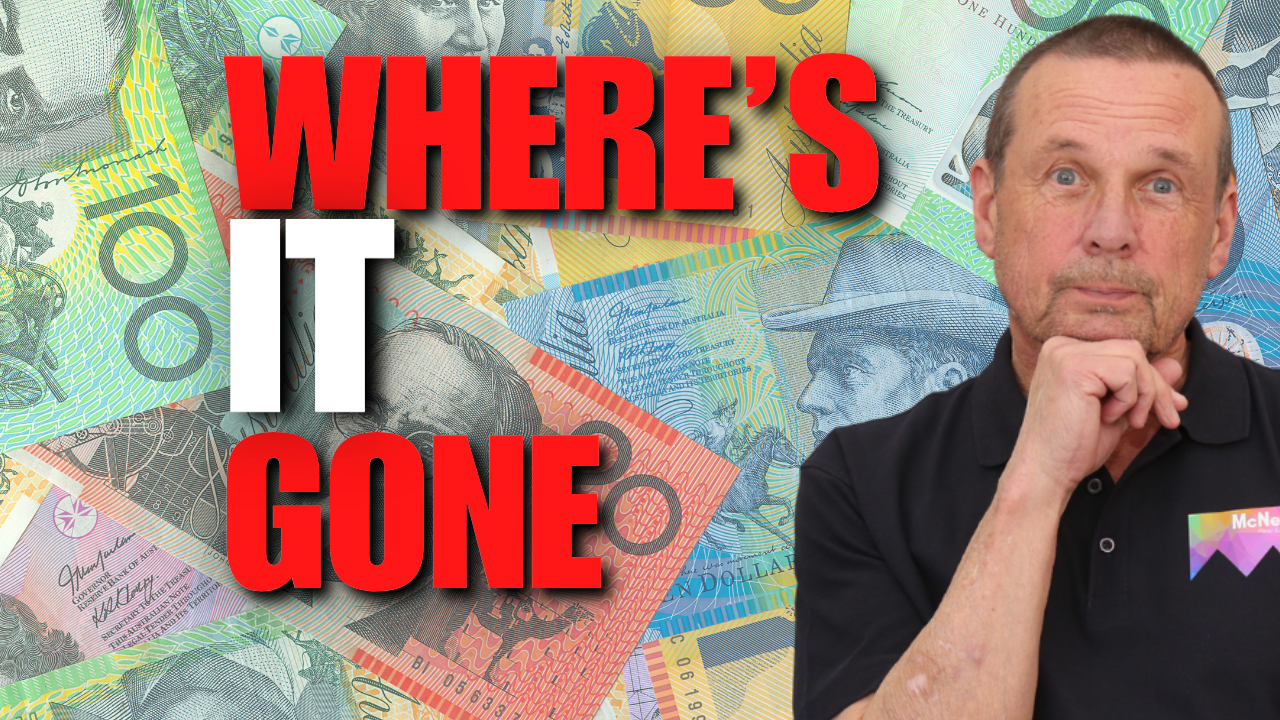
Financial Planning for Downsizers: What You Need to Know Before You Sell
Downsizing can feel like a sensible financial decision.
You sell the larger family home, purchase something smaller and use the money left over to support your retirement.
On paper, it can look straightforward.
But before you make any decisions, there are several important questions worth asking.
Do you know how much money you will actually have left after selling and moving?
Could the sale affect your pension?
Have you allowed for stamp duty, legal costs, moving expenses and the ongoing costs of your new home?
If you are unsure about any of these questions, our latest video, Financial Planning for Downsizers: What You Need to Know, is a good place to begin.
In the video, David Kershaw from McNeill Real Estate explains the financial side of downsizing in practical, easy-to-understand terms.
This is not a video about complicated investments, financial jargon or creating endless spreadsheets.
It is about gaining a clearer picture of your money before you sell, so you can make your move with confidence rather than confusion.
Watch the full video below to hear David explain the key steps.
Watch Financial Planning for Downsizers on YouTube
This article and video provide general information only. McNeill Real Estate and David Kershaw do not provide financial, taxation, Centrelink or legal advice. Please speak with a suitably qualified professional about your personal circumstances.
Why Financial Planning Before Downsizing is Important
For many Mornington Peninsula homeowners, the family home represents their largest asset.
It may be worth considerably more than it was when it was first purchased, and selling it may release a significant amount of equity.
That can create a feeling of financial freedom.
However, the sale price is not the same as the amount you will have available after the move.
There are selling costs, purchasing costs, moving expenses and ongoing property costs to consider.
There may also be implications for your Age Pension, superannuation and future financial security.
This does not mean downsizing is a bad financial decision.
It simply means you need to understand the numbers before making a commitment.
As David explains in the video, financial planning for downsizers can be broken into three simple areas:
- What is coming in?
- What is going out?
- How much do you need to feel secure?
These three questions can help you begin thinking about the financial side of your move without making the process unnecessarily complicated.
How Much Will You Really Have After Selling?
When homeowners first consider downsizing, they often compare the likely selling price of their current property with the price of their next home.
For example, you may expect to sell your property for $1.2 million and purchase a smaller home for substantially less.
The difference can look like a large financial surplus.
However, several expenses may need to be deducted before you know what is genuinely left.
These could include:
- Real estate agent fees
- Property marketing
- Conveyancing and legal fees
- Removalists
- Cleaning
- Gardening and presentation work
- Stamp duty on the replacement property
- Temporary accommodation or storage
- Small changes or renovations to the new home
- Insurance and utility connection costs
Some expenses may only be a few hundred dollars, while others can be considerable.
Together, they can make a noticeable difference to the final amount you retain.
David discusses why calculating the net amount is so important and how your remaining equity may influence your retirement lifestyle.
Rather than assuming the sale will automatically leave you financially comfortable, it is better to begin with realistic figures.
A current property appraisal can help establish the likely selling range of your home.
You can then compare that figure with the type of property you hope to buy and the associated costs of moving.
The Two Types of Downsizing Costs
One of the useful points David covers in the video is the difference between transition costs and ongoing expenses.
Transition costs
These are the expenses associated with moving from one property to another.
They may include:
- Removalists
- Storage
- Cleaning
- Temporary accommodation
- Legal and administration expenses
- Mail redirection
- New insurance
- Setting up utilities
- Minor repairs or alterations
Individually, these expenses may not appear significant.
However, they can quickly add up, particularly if the move is complex or if there is a gap between selling and purchasing.
Ongoing costs
These are the expenses that continue after you settle into the new home.
They may include:
- Council rates
- Insurance
- Utilities
- Owners corporation fees
- Body corporate fees
- Retirement village charges
- Maintenance
- Gardening
- Property repairs
A smaller home may reduce some costs, but it does not eliminate property expenses altogether.
For example, an apartment or unit may require less garden maintenance but could have regular owners corporation fees.
A retirement village may offer services and facilities, but it may also have ongoing charges that need to be included in your budget.
The aim is to choose a home that reduces both the physical and financial burden over time—not simply a property that appears affordable on the day you purchase it.
Could Downsizing Affect Your Pension?
For homeowners receiving a full or part Age Pension, this is one of the most important areas to investigate.
Your family home is generally treated differently from cash and other financial assets when Centrelink assesses your position.
After the property is sold, the money you retain may be assessed differently.
This can potentially affect your pension entitlement.
How the sale proceeds are treated will depend on several factors, including:
- How much money remains after purchasing your next home
- Where the money is held
- How quickly it is used
- Whether some of the proceeds are contributed to superannuation
- Your other assets and income
- Current Centrelink rules
This is why David recommends speaking with Centrelink or a financial adviser before selling.
It is much better to understand the possible impact in advance than to discover after settlement that your pension may change.
The video provides an introduction to this issue and explains why timing can be important.
Downsizer Contributions to Superannuation
Eligible homeowners may be able to contribute part of the proceeds from selling their home into superannuation under the downsizer contribution rules.
This may be useful for some people, but it should not be treated as an automatic solution.
There are eligibility requirements, contribution limits and timeframes to consider.
The contribution may also form part of your assessable assets for pension purposes, so personal advice remains important.
David’s message is not that every downsizer should place money into superannuation.
It is that you should know whether the option is available and understand how it may fit into your overall plan.
A one-off meeting with a qualified financial adviser may help you determine:
- Whether you are eligible
- How much you may be able to contribute
- Whether both partners can contribute
- How much cash you should retain
- How the decision could affect your pension
- Whether superannuation is the right place for the money
These decisions should ideally be made before the property settles, not several months later when opportunities or deadlines may have passed.
Avoiding the False Surplus Trap
One of the most relatable parts of David’s video is what he calls the false surplus trap.
This can happen when a couple sells their home, sees a large amount of money in the bank and initially feels financially secure.
Over time, that money may begin disappearing more quickly than expected.
There can be many reasons for this.
Some money may be spent adjusting the new property.
There may be new furniture, window coverings, heating, cooling or accessibility improvements.
There may also be travel, medical costs, family support and everyday lifestyle expenses.
The issue is not necessarily that the money has been wasted.
The problem is that no clear plan was created for how long it needed to last or what it was intended to support.
A large bank balance can create a feeling of abundance.
Without a plan, however, it can be difficult to know whether you are spending comfortably or reducing your future security.
In the video, David explains how simply giving each portion of the money a purpose can help you feel more in control.
What Do You Want the Money to Do for You?
Financial planning is not only about limiting spending.
It is also about deciding what kind of life you want the money to support.
The equity released from your home might be divided into several broad categories.
A safety buffer
This may cover unexpected expenses or provide several months of living costs that remain untouched.
Knowing that this money is available can provide valuable peace of mind.
Everyday lifestyle
This might include hobbies, meals out, local activities and regular social events.
Downsizing should ideally allow you to enjoy life, not feel as though every dollar must be protected.
Family and special occasions
Some people want to help children or grandchildren, contribute towards family events or provide gifts.
These decisions should be planned carefully so your own future needs remain protected.
Health and wellbeing
Medical appointments, dental treatment, private health insurance, mobility aids and home support can become more important over time.
Travel
For some downsizers, the freedom to travel is one of the main reasons for moving.
This might include weekend breaks, interstate trips or overseas holidays.
The purpose of the exercise is not to create a complicated financial system.
It is to make conscious decisions about where the money will go.
As David says in the video, when you name where your money is going, you are less likely to wake up several years later wondering where it went.
A Practical Downsizing Example
David also shares a simple example involving a couple he calls Diane and Peter.
They sold their home, purchased a smaller single-level property and allowed for stamp duty, moving costs, legal expenses and minor renovations.
They also contributed part of the proceeds to superannuation and retained a cash buffer for lifestyle and unexpected expenses.
The point of the example is not that every downsizer should follow the same figures or make the same choices.
Every financial situation is different.
The important lesson is that Diane and Peter knew where the money was going before they completed the move.
Their plan allowed them to lower their ongoing costs, enjoy a more manageable lifestyle and retain financial flexibility.
That is the type of clarity financial planning can provide.
Watch the video to hear David explain the example and the thinking behind each step.
Watch the Financial Planning for Downsizers video
Questions to Ask Before You Put Your Home on the Market
Before listing your home, take some time to consider the following questions:
- What is my property likely to sell for?
- What will the next home cost?
- What selling and purchasing costs will apply?
- How much money will remain after the move?
- Could my Age Pension be affected?
- Am I eligible for a downsizer contribution?
- How much cash should I keep readily available?
- What will my ongoing housing costs be?
- How long will the remaining money need to last?
- What lifestyle do I want the money to support?
- Do I need personal financial advice before selling?
You do not need to have every answer immediately.
The purpose of these questions is to identify areas that need further investigation before you make a major decision.
Financial Planning Is Really About Reducing Stress
The financial side of downsizing can initially feel overwhelming.
There are unfamiliar costs, pension questions and decisions about what to do with the money released from the home.
But as David explains, the goal is not to create a complicated investment strategy.
It is to reduce uncertainty.
A basic plan can help you understand:
- What money will be available
- What costs need to be paid
- What your future expenses may look like
- How long your savings may need to last
- What you want your retirement lifestyle to include
When these areas are clearer, the move itself often feels more manageable.
You can begin looking for your next home with a realistic budget and a better understanding of what you can comfortably afford.
Watch Financial Planning for Downsizers
The video goes further into the practical financial questions that downsizers should consider before selling.
David explains the topic in a straightforward way and provides a realistic example of how the sale proceeds might be allocated.
Watch the full video here:
Financial Planning for Downsizers: What You Need to Know
After watching, you may find it helpful to discuss the video with your partner, family or financial adviser.
Download the Free Downsizing Checklist
If you are beginning to think about downsizing, our free checklist can help you start the conversation and identify the next steps.
It is a simple way to consider the practical, financial and lifestyle questions involved in leaving a long-held family home.
You can also visit the McNeill Real Estate YouTube channel for more videos about downsizing, preparing your home for sale and planning your next move.
Speak With McNeill Real Estate
At McNeill Real Estate, we help Mornington Peninsula homeowners understand the property side of downsizing.
We can assist with:
- A realistic appraisal of your current home
- Understanding local buyer demand
- Planning the timing of your sale
- Preparing your property for the market
- Identifying work that may or may not be necessary
- Coordinating the sale with your broader moving plan
- Connecting you with local professional advisers where appropriate
There is no obligation to sell simply because you request an appraisal or ask a few questions.
Sometimes the most helpful first step is simply gaining a clearer understanding of your home’s value and the options available.
Visit McNeill Real Estate or contact our team for a confidential conversation about your future move.
About the Author: David Kershaw
David Kershaw is a Licensed Estate Agent with McNeill Real Estate, an independent real estate agency based in Mornington, Victoria.
David helps homeowners across Mornington, Mount Martha, Mount Eliza, Somerville, Frankston South and the wider Mornington Peninsula navigate the property side of downsizing.
He provides practical guidance about preparing a home for sale, understanding the local market and planning a move with greater clarity.
Disclaimer: The contents of this blog do not constitute financial, taxation, Centrelink or legal advice, are not intended to be a substitute for legal advice and should not be relied upon as such. You should seek legal advice or other professional advice in relation to any particular matters you or your organisation may have.. David encourages homeowners to seek appropriately qualified advice before making financial decisions and works alongside their chosen advisers to help coordinate the property component of the move.
